LG moved its executives around and switched up the head for its mobile business more than once over the past couple of years. Back in 2017, the company named Hwang Jeong-hwan as president of mobile in an effort to make the unit more competitive until he was replaced by Kwon. Under Kwon’s leadership, LG’s mobile business managed to narrow its losses in the third quarter of 2019. While it’s now up to Lee to find ways to make the unit profitable, LG says that going forward, it plans to focus on businesses with strong potential, such as smart home products.
Conversations trees were first seen in Twitter’s beta testing app, Twttr. The testing app allows Twitter to experiment with tweaks to the conversation formatting before rolling out any major changes to the main platform.
As spotted by respected app researcher Jane Manchun Wong, conversation trees are now being tested on the main Twitter website. As well as nesting replies to make following conversations easier, the new format also includes the ability to click on any tweet to focus on it.
The changes give Twitter more of a message board feel, with users noting that it is reminiscent of Reddit. The company confirmed to TechCrunch that the changes are part of a larger update of Twttr features coming to Twitter, and that the full rollout would happen next year.
While Samsung has become dominant in using OLED technology on mobile displays — even Apple uses its screens for iPhones — in TVs, the big name in OLED is its competitor, LG. LG’s TVs have wowed testers with their ability to control light precisely because each pixel is self-illuminating, unlike the “QLED” branded quantum dot LCD tech Samsung relies on exclusively, which still puts LED backlights behind a filter.
That could change soon, however, as Samsung announced in October that it’s investing $11 billion by 2025 to build a plant capable of manufacturing true QLED TV screens that self-illuminate. It tried building TVs with the technology earlier this decade, like the 55-inch Super OLED screens shown above. But it opted out of further development, claiming burn-in is too much of a problem and saying the TVs would have a short lifespan.
Now two Samsung researchers, Dr. Eunjoo Jang and Dr. Yu-Ho Won have published a paper in Nature about new quantum dot LED technology that relies on indium phosphide instead of toxic cadmium, and has a lifetime of up to a million hours. Their improved shell design appears to increase efficiency by preventing oxidation and energy leaks.
For Samsung to make that big investment in building “QD-OLED” displays it must believe any issues are going to be resolved soon, it’s just a matter of when we’ll actually see new TVs on shelves.
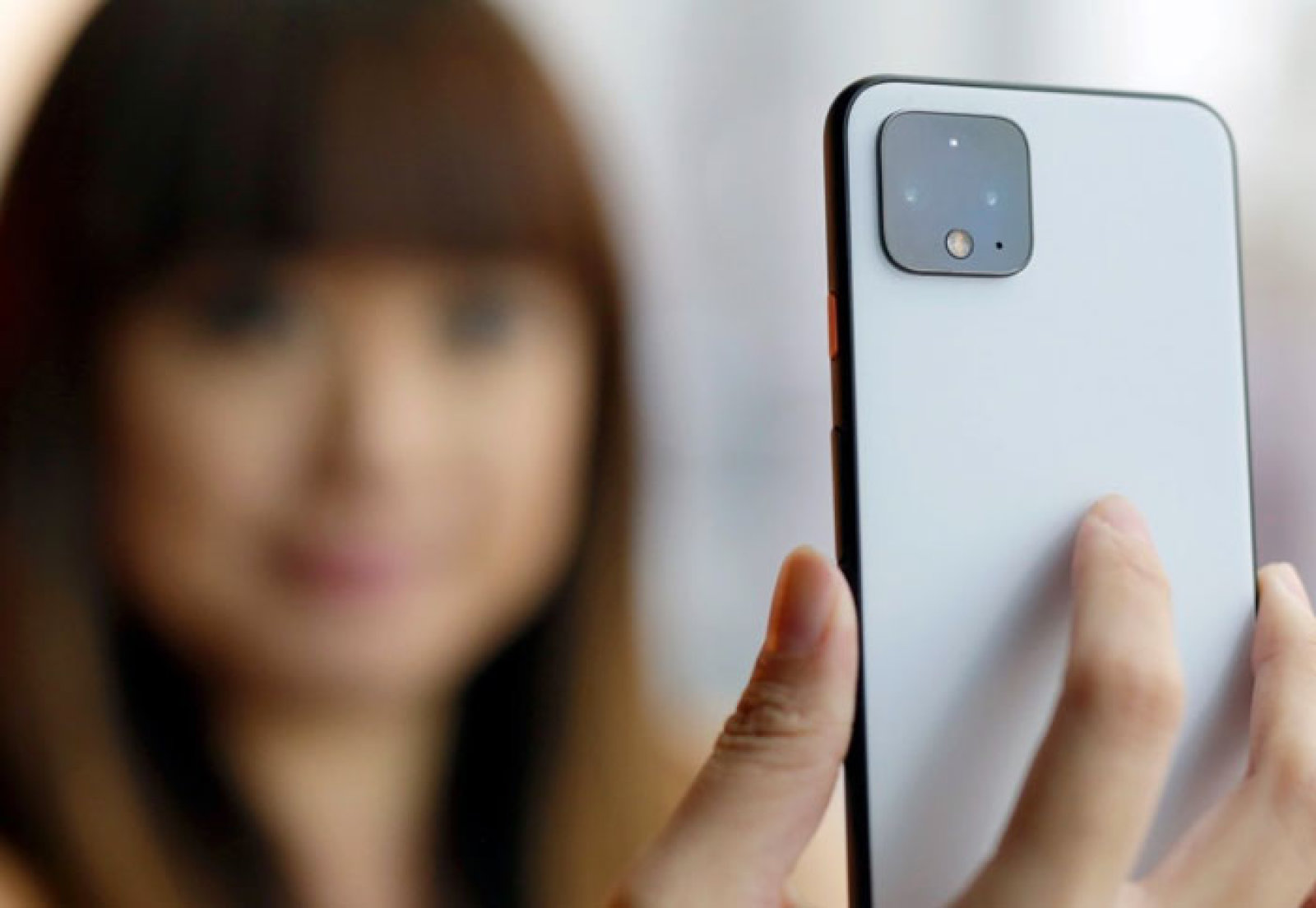
With the Pixel 4 face unlock debacle, you really can say that Google’s Android security team did not check itself before it wrecked itself. What we’re thankful for here is the BBC journalist, who probably does not have narcolepsy, but instead pretended to be asleep with his review copy of a Pixel 4 to see if its “face unlock” feature was secure.
The Pixel 4’s only biometric security option, facial recognition, unlocked the phone even if the user’s eyes were closed. Google said it would be issuing a fix… in a few months. It made us wonder if everyone at Google was okay. In response to our queries, Google said: “We’ve been working on an option for users to require their eyes to be open to unlock the phone, which will be delivered in a software update in the coming months.”
So thank you for learning how to fake naptime, Mr. BBC reporter. You may have saved a lot of ordinary users (who do not have your access and influence) a lot of sleepless nights.
A vote for sanity
Since at least 2004, voting machine hackers — ahem, election security researchers — at Def Con were treated like crazy people or conspiracy nuts (which are kind of the same thing). Usually, both. In 2016, we wrote: “the machines are so badly maintained, historically backdoored, and easily hacked that even Def Con hackers massively stress out about the voting process in their own forums and chat spaces.”
It’s a setup that should seem familiar to any horror fan. The protagonist keeps trying to warn people about some looming danger — the Necronomicon, a clown in the sewer, a possessed car. But no one believes them, so the clown, the car and the gateway-to-hell book win every time. That’s what every day is like for researchers pointing out the insane mess of voting machine and election security year after year.
That is, until this year, when a voting machine (that was not possessed, we think) was filmed by a Mississippi voter actually changing their vote in front of their eyes. That viral video made national headlines, further exposing the numerous, simultaneous issues in electronic voting machines across the state, putting the governor’s race (and more) in doubt.
So let’s give thanks for that seemingly possessed voting machine. It’s time for everyone to start believing those Def Con election security “final girls.”
FCC’d up
The story of the fake FCC commenters could really be old episode of Scooby Doo, with Old Man Jenkins in a bad monster disguise cursing those nosy kids for seeing through his obvious scam. It started in 2017 when the FCC decided to decimate the open internet by killing net neutrality and (cough) miraculously, the FCC’s website was flooded with fake comments supporting the FCC’s widely-opposed move.
Fast forward to October this year, when reports emerged proving those comments were not only fake, but the stolen identities and information of US breach victims. You can’t say no one expected that plot twist: Turns out the people whose names were used in those fake FCC comments were none too pleased about it. Let’s just be thankful that the org behind this reprehensible attempt to hack public opinion, industry group Broadband for America, used the (ahem) brain trust at Media Bridge and LCX Digital to make sure a big stinky pile of breadcrumbs lead right back to the source.
Little green fail-iens
If it turns out that Mark Zuckerberg arrived on this planet promising a better world through his janky tech and carrying around a book called “To Serve Man,” we’d be among the humans saying “I told you so.” But in a way we’re glad Facebook has been so profoundly terrible at everything, because it helps us identify the planet-sized security #fails the company has made.
Like how in April, we found out that the passwords for hundreds of millions of Facebook, Facebook Lite, and Instagram users were stored in plain text. Facebook wanted everyone to know passwords were readable and searchable “only” internally, but with nearly 40,000 full-time employees, that comfort is as cold as Uranus. It’s even more chilling knowing the company discovered this complete and utter failure at password security by way of a 2018 breach, when attackers made off with data from 50 million Facebook users via compromised account access tokens.
Thanks for being terrible, Facebook! You have revealed your intentions on our planet.
We don’t see a problem
Look. No one wants ATMs to be insecure, susceptible to viruses, or hackable by jerks who might try to take money from any unsuspecting individual.
The sad truth is that ATMs are so scattershot in their security, they’re a common theme in hacking presentations. And in organized crime there are “cashing crews” who swoop in to scoop up the Benjamins. In fact, the hacker who makes the ATM spew cash is a persistent and annoying Hollywood trope. But, for good reason: It’s real. In 2010, hacker Barnaby Jack made global headlines when he “jackpotted” ATMs on the Black Hat conference stage.
This is such a known problem, and has been going on so long that it’s hard to feel bad for ATM vendors, or their software and hardware vendors. So when we read headlines like “Malware That Spits Cash Out of ATMs Has Spread Across the World” it’s tough to feel like we’d be anything but grateful if this ongoing security blunder accidentally spit out some extra cash onto our feet this chilly holiday season.
Equifail
In the slums of our cyberpunk future, “Equifax” is the word harsh parents whisper to frighten their children into making strong, complex passwords. That’s thanks to news in October about a shareholder class-action suit over the credit reporting company’s egregious 2017 breach.
This revealed a slew of truly appalling, grossly negligent security practices. Especially, as Hot for Security reported, the use of “admin” as both username and password, “to authorize access to a portal used to manage credit disputes,” which “contained a vast trove of personal information.”
If you read the suit’s laundry list of security #fails it’s not a stretch to think of the company as both a folklore bogeyman of the American credit system, as well as cautionary-tale, monster under the bed for bad practices. We’re just grateful the headlines might’ve scared some people into following better password practices.
Who forgot to secure all those electronic road signs we keep seeing hacked with messages like “THE FUTURE SUCKS”? Whoever you are, I hope you got fired, but I also have a strong urge to buy you a beer. Because in this abysmally wrong alternate timeline, I think many can agree that hackable road signs are bringing us a much-needed bit of levity right now.
The security failings of these signs are kind of two-fold. One is that they’re all issued with a default username and password, according to one manufacturer, ADDCO. If the signs were issued with a one-time password, that would be the end of warnings about “Entering bat country.”
The other #fail is that few people setting up their brand-new electronic road signs are changing those default passwords. Unless the calls are coming from inside the house, and someone working on the road crew was responsible for the sign reading “TRAPPED IN SIGN FACTORY.” In which case, let’s give thanks for anything reminding us that hacks are supposed to be fun, and people still love making each other smile.
Images: Koren Shadmi (Turkey Illustration); Chris Velazco / Engadget (Pixel 4); Mark Wilson/Getty Images (Ajit Pai); Getty Creative (ATM)
There were reports swirling around at the time of the announcement that Ive felt Apple CEO Tim Cook wasn’t interested in design and was more focused on operations. Cook heartily denied that though, calling the reports “absurd.”
In either case, the impact that Ive has had on Apple over the years is undeniable. He worked on the design of some of the company’s most iconic products, including the iMac G3, the iPod and his pièce de résistance, the iPhone. His design aesthetic changed with the times too, lending his vision to more modern gadgets like the MacBook Air and the Apple Watch.
Despite his profound influence on the company’s products over the years, though, Ive didn’t work alone. The company emphasizes culture over personnel, and it looks like Apple will be just fine without him.
Now, Ive is free to explore his own new projects. He announced he will be starting his own design firm, LoveFrom, and that Apple will be the firm’s first client. What other projects the firm takes on remains to be seen.
With Ive’s departure, the new heads of the design group at Apple will be Evans Hankey and Alan Dye, though they haven’t yet been added to the company’s executive leadership page.
As VR becomes more and more mainstream, a key to its success will be the choice of headsets available. On the entry-level end is the HTC Vive, at $99. On the upper end is Valve’s Index, which features two RGB LCDs running at 1,440 x 1,600 pixels, capable of a 120Hz (or 144Hz) refresh rate and selling for a stunning $999. Senior editor Devindra Hardawar reviewed the Index and found that it had nearly every feature one would expect to find on a high-end VR headset, including finger-sensing controllers, excellent image quality and plush cushioning around the eye pieces and rear head strap.
As I am nothing if not a sucker for Star Wars product tie-ins and high quality cookware, you can bet I immediately signed up to be notified when this line was on sale. And the second I got the notification, I put in my pre-order.
You might be asking yourself, “Is this really necessary?” You might be saying, “People like you are why we can’t have nice things.” In response to the first question, I’d answer, “Yes, it absolutely is.” In response to the second, I’d say, “Okay, yes, but it’s STAR WARS LE CREUSET.”
Do I need a Porg pie bird to make excellent pies for the holidays? Probably not. The fact that I have never in my life baked a pie (except for that one pecan pie I made in seventh grade for a school assignment) did not deter me from the desire to own a Porg pie bird. This pie bird might, in fact, be just the thing I need to spur me to make incredible, delicious pies for my family on a weekly basis.
Realistically, it’s more likely that it’s just going to sit on the counter by the stove while I cook, but come on, it’s a Porg pie bird and I’m highly susceptible to good merchandising. But one day I might need that pie bird in the middle of some sort of pie-trastophe, and there my Porg will be, majestically waiting for the day when he’s called upon to service.
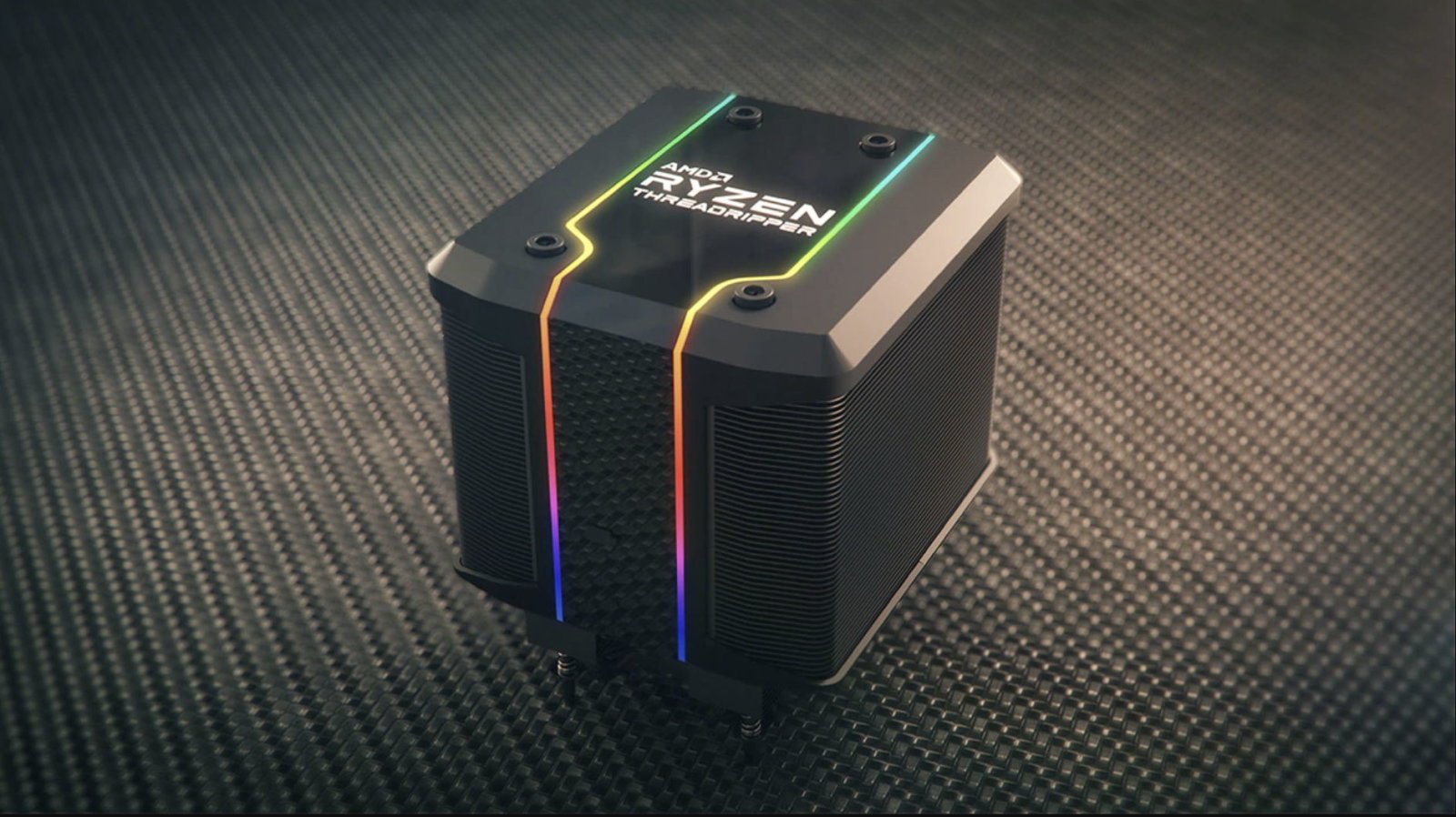
Ever since AMD launched the Zen architecture just over three years ago, it has progressed at a relentless pace. At the time, Intel’s $1,100 8-core i7-6900 seemed like it had all the cores you’d ever need. However, AMD moved the goalposts, unveiling the 8-core Ryzen 7 1800 at a much lower $499 price point. That was followed a little later by the $999 Threadripper 1950X with no fewer than 16 cores.
Intel had already unveiled the 18-core i9-7980XE, but it cost double the price at $1,999. Yes, it had a significant speed edge over the Threadripper 1950X, but AMD was starting to close the gap for multi-threaded workstation CPUs — a key and very profitable market for Intel.
AMD quickly changed the game again with its Zen 1 (second generation) Ryzen and Threadripper CPUs. When it first shipped, the 32-core $1,799 Threadripper 2990X was nearly on par with Intel’s best workstation chips, including the $3,000 28-core Xeon W-3175X.
Several months later, Intel launched the $2,000 i9-9980XE. It was still a better option for clock-speed sensitive tasks like Adobe Creative Suite and gaming than AMD’s Threadripper or Ryzen 7 chips, thanks to its stronger per-core performance and better memory architecture. However, the 2990WX could hold its own for multithreaded rendering, thanks to the sheer number of cores, and took the lead in tile-based rendering scenarios like Blender.
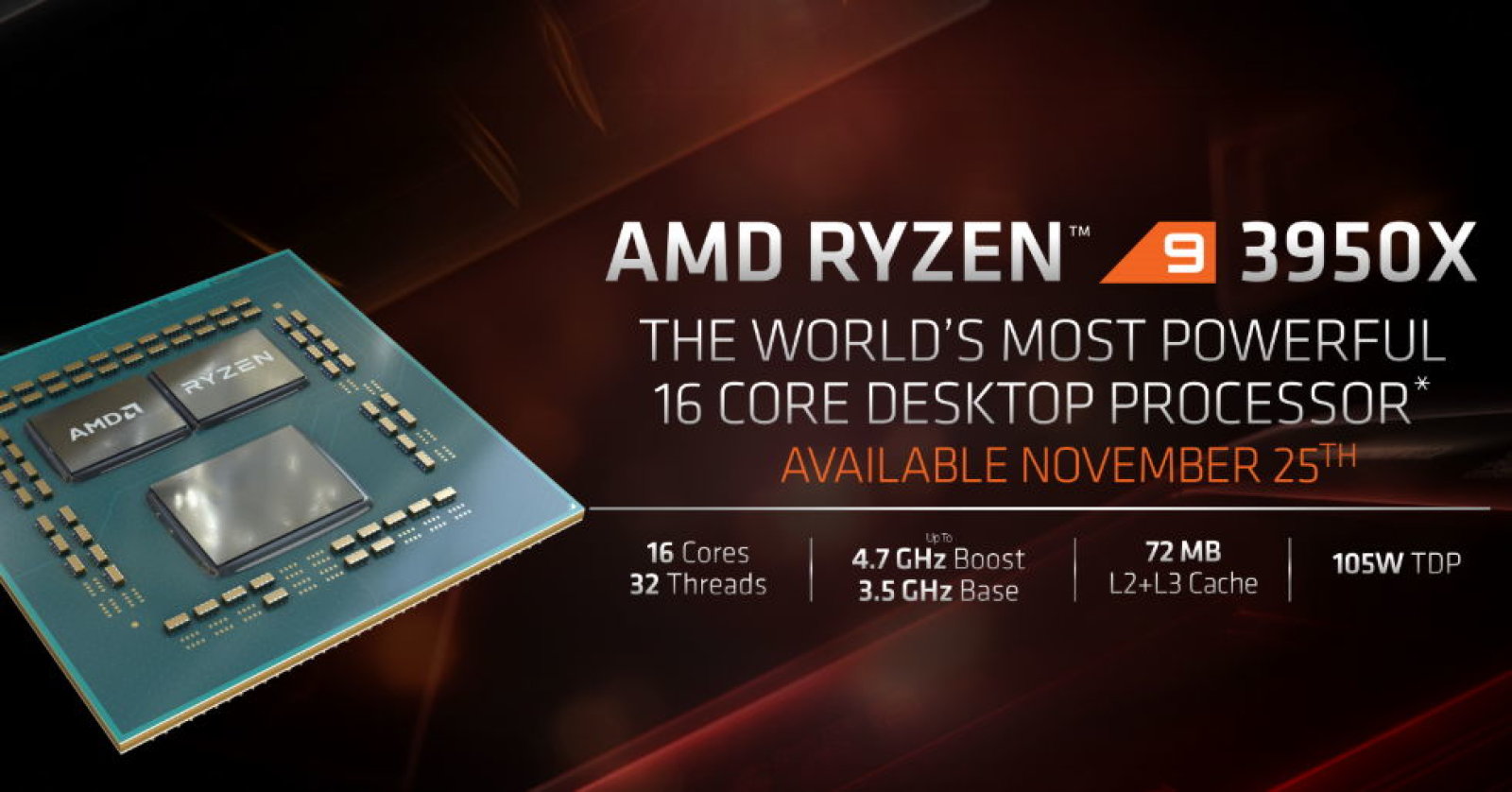
When AMD announced the 16-core, Ryzen 9 3950X for just $750, it had good reason to be confident. Some pretty huge architectural improvements and increased clock speeds made performance significantly stronger than the Core i9-9980XE, but at nearly a third of the price. To counter, Intel launched the 18-core Core i9-10980XE and cut the price by half, down to $1,000 — something it wouldn’t have likely done without the competition — but it still wasn’t enough.
AMD has replied again with the 24- and 32-core Threadripper 3960X and 3970X CPUs, priced at $1,399 and $1,999, respectively. According to reviews, those chips are competitive with the i9-10980XE for clock speed-sensitive tasks, but they’re now handily winning when it comes to multi-threaded workstation rendering performance, albeit it at a significantly higher price point.
In a short time, AMD has progressed from eight to 32 cores and moved from a 14-nanometer process down to 7-nanometers, while making big architectural improvements to cut the gap in IPC, or instructions per clock. It has also refined its manufacturing technique for “chiplets,” which are a very efficient way to build multi-core CPUs. Meanwhile, Intel is still stuck on a refined 14-nanometer++ process for its key gaming and workstation parts and has scrambled to stay competitive in the multi-core segment.
AMD takes over workstations
AMD’s new Threadripper chips pose a huge problem for Intel. Yes, they’re more expensive than the consumer-oriented Core i9-10980XE, but Intel now has nothing to counter them in the HEDT market. The closest chip it has is the 28-core Xeon W-3275M, but it costs nearly quadruple the price, at $7,453. (Last year’s $3,000 28-core W-3175X is far behind AMD’s 3970X chip in performance.)
Another huge plus for AMD is the new TRX40 platform for its latest HEDT chips. While it doesn’t let you drop the new Threadripper chips into old Zen 1 motherboards, the new architecture has some big advantages for creators. Mainly, it introduces PCIe 4.0 support, delivering much higher SSD speeds for 4K and 8K video editors. The new motherboards also have more PCIe slots, ECC RAM (256GB) and USB 3.0 ports.
In terms of performance, the Threadripper 3960X and 3970X chips trounce the Core i9-10980XE in every single workstation benchmark, even in single-threaded mode. So while the chips are more expensive, the rendering performance per dollar is considerably higher.
That equation will likely shift even more in AMD’s favor when the Threadripper 3990X comes out in 2020, as that chip should cost even less per core. That will help 3D animation and post-production facilities reduce costs as they’ll be able to get more rendering performance out of a single workstation or render node.
Intel’s still winning in gaming and mainstream computing (for now)
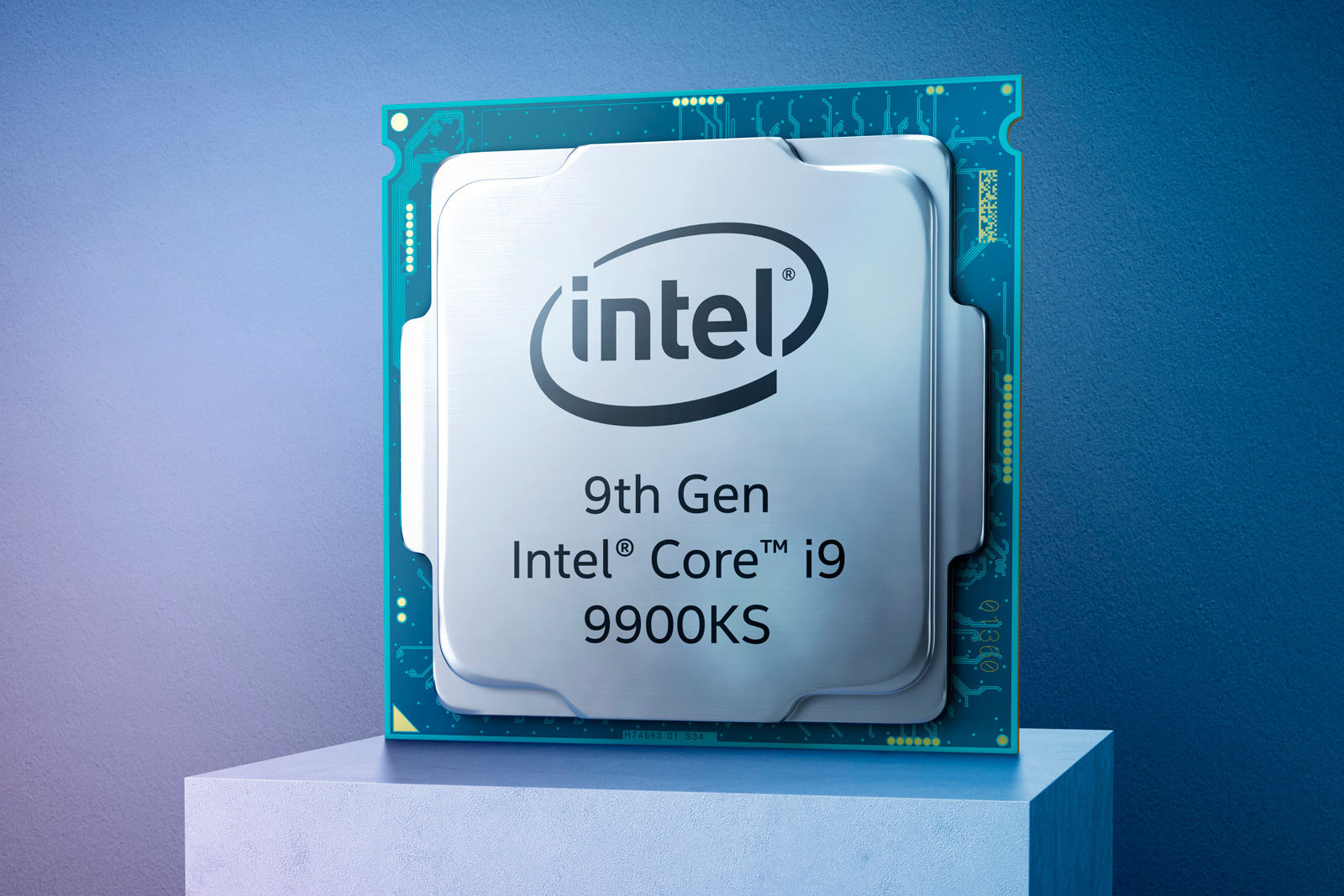
Intel’s primary gaming CPUs, like the i9-9900K and i9-9900KS, outperform AMD’s Ryzen 9 3950X by a comfortable margin — and cost less to boot. However, the consumer-focused Ryzen 3600 and 3700 cost less than the 9900K and are considered better picks than Intel’s i7 and i5 offerings.
Virtually every desirable high-end laptop out there packs Intel Core i9 or i7 chips, along with NVIDIA’s GTX or RTX graphics cards. Why is that? Intel still has the edge in overall clock speeds, though AMD has reduced the gap over the last generation. At the same time, AMD seems determined to make its chips appeal to both workstation and gaming users, offering gaming-oriented chips like the 3700 with higher thread counts than competing Intel products. (At the same time, gaming performance depends much more on the GPU than the CPU, so slight differences in CPU performance aren’t that important.)
And when it comes to laptops, Intel simply dominates, with a huge portfolio of eight-, ninth- and 10th-gen CPUS, all of which have built in GPUs. It’s a lot of work for a manufacturer to switch from Intel to AMD — you can’t simply swap out a CPU as the chipset and other motherboard architecture needs to change with it. Advanced IO like Thunderbolt has also been a key differentiator for Intel; although, USB4 changes that. As it can’t really compete, AMD has seemingly avoided the high-performance segment. Its laptop chips simply have poor performance per watt next to Intel, and few AMD CPUs have integrated graphics. That could change, though, with its Zen 3 7-nanometer+ architecture. It doesn’t seem like AMD would have much trouble crashing this segment, too, if it wanted to.
Intel also owns the mainstream laptop market, particularly in the 15- to 25-watt CPU segment, where you’d find machines like the 13-inch MacBook Pro. Again, it’s hard for AMD to compete with the sheer number of parts Intel has across its eight-, ninth- and 10th-gen mobile platforms. Cracking the laptop market seems more like a question of will rather than a lack of technological prowess from AMD. For now, it might feel it’s better off focusing on the more profitable high-end segment.
What’s to come
When Intel finally releases full-fledged, 10-nanometer gaming chips, it will no doubt change the equation against AMD. From what we’ve seen so far, they’ll deliver modest performance gains of around 10 percent, while sipping less power.
That should be enough to keep it ahead in the mainstream segment it already dominates — and possibly in gaming (depending on what AMD does). What about for workstations? At this point, it seems unlikely that Intel will be able to best AMD in the all-important performance-per-dollar category, unless it really pulls off something incredible.
AMD, meanwhile, says that its Zen 3 process is ready and will first appear on its Epyc server CPUs. It has promised an “entirely new” architecture based on a 7 nanometer+ manufacturing process. That could deliver performance gains in the neighborhood of 15 percent, with correspondingly lower power draws. At the same time, AMD will continue increasing core counts, memory bandwidth and I/O connectivity.
What’s also interesting is that AMD has promised to continue its current “tick-tock” design cycle. That means it will shrink the chip size down on the “tick” cycle, while changing the architecture on the “tock.” Intel abandoned that strategy some years ago, dancing instead to the tune of a “three step.”
Wrap-up
None of this is any good for Intel. Even if 10-nanometer Ice Lake delivers the promised performance gains when it arrives next year, the chip giant won’t have long to enjoy it before AMD’s Zen 3 4000-series chips arrive.
With AMD now ahead in HEDT workstation performance, it could seriously bite into its rival in this high-profit segment. Intel still enjoys a lead in gaming, but that’s also at risk if AMD does a tick-tock while its rival is three-stepping.
As someone who does both gaming and video editing, I’d be more interested in AMD than Intel if I was in the market for a processor. To me, AMD feels like the future of high-end desktop computing, with more interesting and advanced technology across the board. Meanwhile, Intel is struggling just to get its existing products out, let alone create new ones. It really needs to do something to shake things up, or it could soon find itself in an unfamiliar position: second place.
Untie any particularly annoying fasteners or twist ties you suspect your child might struggle with. If it requires scissors or a box cutter to open, do it now. (If you don’t want to do this because there’s a risk you might need to return it, maybe consider buying something else. Frustration-free packaging is a godsend.) Inventory the contents of the box too: Are all the parts included? Is anything missing? Best to take care of it now rather than being forced to scramble to the store the next day (especially the day after Christmas — it’s the worst). Be careful with all the packaging, however; you’ll want to put everything back once it’s time for wrapping.
Make sure you have outlets and connections ready to go
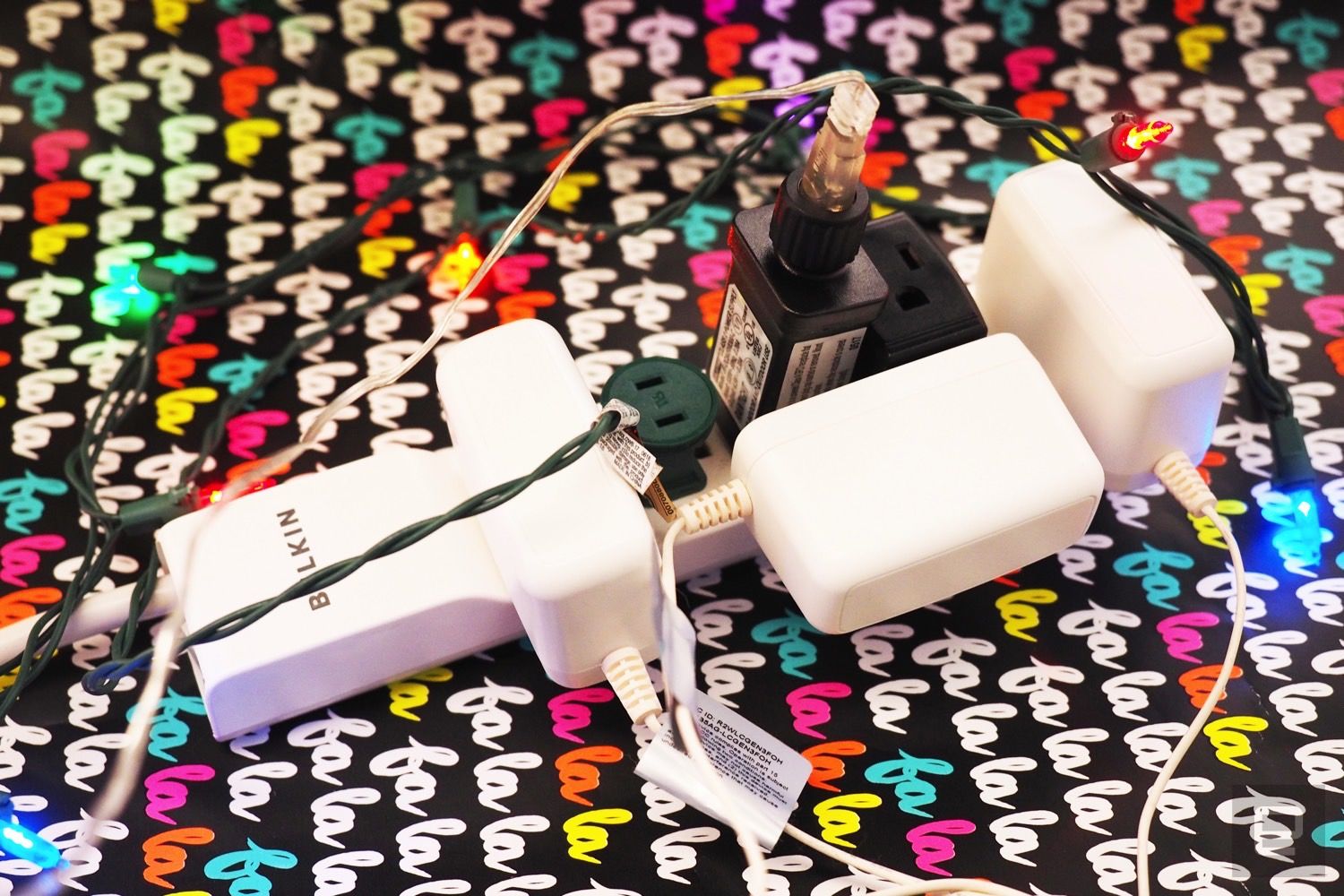
If you’re hooking up something like a video game system or streaming device, figure out where you’re going to plug it in, both power- and port-wise. Hopefully you already have a power strip behind your home entertainment center, though you might need to move some stuff around. Meanwhile, though modern sets are packing in more ports, they’re never enough. So do some rearranging there and if needed, pick up an HDMI splitter if you don’t already have one. Additionally, if your house is anything like mine, that tangle of wires tends to be a dust trap, so why not take this opportunity to clean up a bit?
Run those updates
Those Nintendo 64 kids were lucky: Once they got that sucker hooked up, it was good to go. Not so these days, when every system requires several gigs of updates before you’re allowed to do anything fun. So once you’ve sorted out that cable situation, start downloading. Same goes for any games you may have bought the kiddos. If you’ve bought them a tablet or phone, check for OS updates on those too. It’s not necessarily required, but there’s bound to be a few security patches in the mix, so it’s better to be safe than sorry.
Charge everything
Charge the phone or tablet. Charge all the controllers. Charge the wireless keyboard, mouse and headset. A lot of stuff ships with a charge these days, but it’s not enough for a full day of play and your kids are going to be pissed if they see a low-battery warning an hour or two after opening their gift. This is also a good time to figure out where you’d like stuff to be charged: You can set up a power strip or a strategically placed charging pad for this purpose.
If it uses batteries instead, well, buy batteries! A lot of toys that use batteries these days now have covers that are screwed in, so you can take care of that now when it’s quiet rather than fumbling to find a small screwdriver and possibly lose a screw in a pile of wrapping paper. If you’d rather not open the products beforehand (because it’s impossible to rebox them), have the batteries and screwdrivers ready in a convenient place.
Rebox it
You don’t have to: Some parents like to have the game system set up and ready to go when their kids wake up. But if you want to give them the joy of ripping the paper off and taking everything out, rebox it, minus the tricky bits I told you to remove earlier.
It’s boring but just so darn useful. A new USB cable. Specifically, Anker’s Powerline II cable, a USB-A cord that transforms into USB-C, micro-USB and Lightning. In short, it works with everything.
Even if your giftee uses an Android phone, maybe they have a friend with an iPhone. Conversely, they might own an iPhone, but what about their Kindle? What about charging a battery pack? One cable for all means less worries. And fewer cable tangles, too. At 0.9 meters it’s a decent length as well.
Amber Bouman Community Content Editor
Two things come to mind: First, portable smartphone battery packs, which I gift to everyone because they’re useful to have on hand in a purse, backpack or glove box. If you want a heavy-duty option, this one from Anker is fantastic, but it’s pretty easy to find smaller and cheaper options. I even found a pretty decent lightweight, no-name battery pack in line at an Office Depot a few weeks ago.
The second thing that I seem to always be searching for, and never have enough of, are wall socket chargers with USB ports. Amazon has them both in the single cube version and in a multi-port version, and both have their advantages.
Christopher Schodt Video Producer
Even with the switch from micro-USB to USB-C now well under way, I still find myself hunting for a good cable more often than I’d like. Add in that most cable come with devices are too short, the questionable quality of a lot of early releases, and the mess that is competing standards, and I’ve grown to appreciate a good reliable cable.
All told, I’ve purchased a half-dozen braided cables from Anker (Monoprice also makes good ones) and strewn them about my house, car, work, friends’ houses, anywhere they might be needed. With good prices, a durable (and cat-proof) braided construction, and supporting Qualcomm Quick Charge, these are my go-to for charging pretty much any device. Just a note, while these reliably deliver power, they won’t deliver full USB 3.0 transfer speeds, though if moving files is what you need, Anker has you covered there, too.
Billy Steele Senior News Editor
True wireless earbuds might be a little pricey for what most people consider “stocking stuffers,” but there are some solid options available this holiday that won’t break the bank.
Apple’s AirPods with wireless charging case will be on sale pretty much everywhere that sells them (besides Apple, of course). Walmart, for example, will have them for $129 during its Black Friday sale. In addition to the fancier case, these second-gen earbuds offer hands-free access to Siri, which is worth the upgrade from the original model.
Jabra’s Elite 75t didn’t arrive in time for our best true wireless earbuds list, but they would’ve definitely made the cut. The company improved sound quality and extended battery life while making the earbuds themselves much smaller. They don’t come with a wireless charging case, but you should be able to get one soon if you really want it. And at $180, they’re a great value. Sony’s WF-1000XM3 is still our top pick, but they’re pricer at $230. It’s early in holiday discount season, but we might see some discounts on those as well. If they drop around $200 or below, that’s a crazy deal for the sound quality and powerful noise cancellation Sony packed in.