Blog

Disney+ will launch with musicals and documentaries galore

[ad_1]

Fans of High School Musical will have plenty to sing along to with Encore!, in which host Kristen Bell tasks former musical cast members with recreating their high school production, and High School Musical: The Musical: The Series (no seriously, that’s what it’s called) in which students attending the school where the original movie was filmed eagerly await their own real-life high school musical.

But if the thought of voluntarily watching a chorus line of pubescents and glee club alumni belt out show tunes sounds like your own personal hell, well get in line buddy, I was here first. Luckily, Disney+ will offer a wide range of more intellectual and explanatory fare as well.

Forky Asks a Question

For the kids, Disney+ has Forky Asks a Question. This 10-part series of 3-minute shorts follows Forky, the misshapen semi-sentient spork from Toy Story 4, as he ponders life’s deepest questions like, “what is money” and “what is a friend?” But he’s not alone in his musings, other characters from Andy’s toy chest, including Hamm (voiced by John Ratzengerber), are around to help Forky arrive at the answers he so desperately needs.

Forky himself is just as delightfully demented as you remember from the movie (and is once again voiced by Tony Hale) so if your ankle biters are fans of the film, this series will provide them with minutes upon minutes of entertainment. New episodes of Forky Asks a Question arrive on Fridays.

Want to see how the Happiest Place on Earth came to be and continues to spin real-world magic from Disney’s classic tales? Then you’re going to love The Imagineering Story. This six-part saga takes viewers on a behind-the-scenes tour of Walt Disney Imagineering. Part artist studio, part R&D lab, WDI is where the rides and attractions for each of Disney’s 12 theme parks are conceived and built. Directed by Academy Award-nominated filmmaker Leslie Iwerks and narrated by Angela Bassett, The Imagineering Story covers nearly seven decades of Disney history.

The preview screeners (basically ep 1 and 2) each clocked in at over an hour runtime. They covered the early days of Disney and how, after making his mark in animated cinema, Walt began looking for new challenges to tackle. An epiphany while watching his young daughters ride a merry-go-round inspired his vision for the first Disneyland, though he’d quickly learned that realizing his vision would take more than a few fights with Burbank’s planning department.

Packed with rare archival footage and featuring in-depth interviews with current and alumni Imagineers and executives, this documentary series provides viewers with an unprecedented peek into the inner workings of the Disney machine.

The new Disney+ series I’m most excited for, however, is The World According to Jeff Goldblum. This 12-part National Geographic documentary series follows Goldblum as he explores the how’s and why’s behind everyday objects — from sneakers and denim to ice cream and tattoos. Each 30-minute episode mixes history, science, technology and expert commentary to take viewers on an entertaining and illuminating tour of each subject. In his sneakers episode, for example, Goldblum sees firsthand how seriously sneakerheads take their hobby, consults with one of America’s premier custom basketball shoe creator and “bops” his way through a top-secret shoe development lab that builds custom footwear for elite athletes.

Throughout it all, Goldblum’s child-like sense of wonder never wavers. The intensity of his enthusiasm for the subject at hand is matched only by his unmitigated charisma. It’s like watching Dr Ian Malcolm learn about the history of Levi’s. It doesn’t matter which artifacts Nicholas Cage has recovered, the only national treasure I recognize is Jeff Goldblum.

The Disney+ launch lineup is already, in a word, stacked. It offers every animated and live action film in the collective Disney empire, classic family-friendly television shows ranging from DuckTales and Kim Possible to The Simpsons and That’s So Raven — not to mention the myriad documentaries NatGeo brings to the table. These additional streaming titles will only serve to further round out DIsney+’s value proposition. And given the $7-a-month price tag, Disney+ has got me seriously considering canceling my HBO Now subscription in favor of it.

[ad_2]

Source link

Tesla will reveal its ‘cyberpunk’ electric pickup on November 21st

[ad_1]

Musk talked up the truck at Tesla’s annual shareholders meeting in June. He suggested that Ford’s F-150, which Musk called a “great truck,” is a bit of a benchmark for Tesla’s own vehicle (Ford’s working on an electric version of that, too).

The Cybertruck has been crafted to “meet or exceed an F-150. If the F-150 can do it then a Tesla truck should be able to do it.” Musk suggested it has a bold “cyberpunk” design, “like it came out of a sci-fi movie.” It seems the rest of us will get to determine whether that’s accurate in a couple of weeks.

Musk also noted the reveal date is “strangely familiar.” The classic cyberpunk movie Blade Runner is set in Los Angeles in November 2019, after all.


[ad_2]

Source link

What we played in November: ‘The Outer Worlds’ and ‘Destiny 2’

[ad_1]

The Outer Worlds


Andrew Tarantola

Andrew Tarantola
Senior Editor

The Outer Worlds could have been a contender, but this promising space opera was over barely after it had begun.

Its story certainly isn’t short on scope. You play as the first-person hero and freshly defrosted interstellar colonist charged with saving the local solar system from starvation, genocidal fascism and imminent structural collapse. This action RPG allows you to develop your character’s combat, stealth, intellectual and leadership abilities as you acquire both a starship and a motley crew of loyal oddballs who just so happen to be capable of kicking all flavors of ass. The mission is simple: overthrow the ruthless corporate board, which serves as the colony’s de facto government, and save the lives of millions of colonists.

This game feels like a cross between Fallout and Knights of the Old Republic. The combat mechanics are tight, and players can fight with one- and two-handed melee weapons as well as a mix of handguns, long guns and heavy weapons, plus outfit the rest of their crew with the same. Each map offers tons of loot and challenging enemies to keep players busy as well. The problem is that there simply weren’t enough worlds to explore or secrets to uncover before the credits rolled.

What’s more, every map transition required a 30-45-second loading screen. This led to a lot of waiting around. It wouldn’t be so bad if the story took more than 30 hours to complete — and that included all the side, crew and faction missions. Seriously, I spent more time learning Gwent in The Witcher 3 than I did beating the entirety of this game. Fingers crossed that Obsidian is forthcoming with the DLCs to this wildly intriguing yet stunningly short universe.


Devindra Hardawar

Devindra Hardawar
Senior Editor

I hear all of Andy’s frustrations, but after spending the past few weeks playing The Outer Worlds, I can’t help but love it. Maybe I’m a sucker for something that feels like a cross between Firefly and Mass Effect, but I almost instantly fell for the game’s gorgeous world design, well-written characters and humor.

While I’ve played huge open-world games like Fallout 4, I usually get bored by their complexity. The Outer Worlds gives me a decent dose of that experience while also simplifying things significantly. So sure, the environments might not be as large as other Obsidian games, but I appreciate their density and distinctive designs. The Outer Worlds lets me have a blast as a space cowboy, and that is a welcome respite from the world today.

Destiny 2: Shadowkeep


Igor Bonifacic

Igor Bonifacic
Contributing Writer

Five years into its life as a series, I approach every Destiny expansion with a sense of trepidation. For every release like The Taken King and Forsaken, developer Bungie has also put out disappointing additions like Curse of Osiris. Thankfully, the series’ latest entry, Destiny 2: Shadowkeep, feels more like the former rather than the latter. It’s also the first Destiny release following Bungie’s split with publisher Activision.

At first glance, Shadowkeep suffers from Bungie’s diminished resources. The expansion features only a handful of story missions that, in classic Destiny style, obscure a compelling story behind endless technobabble. Moreover, for better and worse, Shadowkeep sees players revisiting the moon (you know, the place wizards come from), a location that was in the original game.

That’s to say, if Destiny hasn’t already sold you on itself, Shadowkeep won’t change your mind. Series veterans will appreciate the tweaks Bungie has added to the basic formula. However, Shadowkeep doesn’t do anything to make the game any more approachable than it was in the past. If you’re a new player, I question whether it’s a good place to jump into the experience. Instead of easing you into the game, Bungie has created a new player experience called New Light that more or less throws you into Destiny 2’s loot grind.

You’ll probably feel as lost as I did coming back to the game after more than a year away. But if you dig a bit deeper, what’s here is also Destiny at its most compelling and, more important, sustainable. Wisely taking cues from Fortnite, Bungie has introduced a new season pass that doles out rewards at a steady clip and a story that unfolds on a week-by-week basis. Both have helped keep me hooked on the game these past few weeks.

Overwatch on Switch


Kris Holt

Kris Holt
Contributing Writer

Overwatch has been my go-to game for the past three years. I’ve spent north of a thousand hours capturing points and pushing payloads on PS4 and PC. So the chance to play anywhere by tethering my Nintendo Switch to my phone was too alluring to pass up.

Blizzard changed up the controls for the Switch version by adding a tilt-to-aim option. I use the thumbstick for bigger moves and gyroscopic controls for precision. After tuning the sensitivity settings, my aim seems slightly better here than on PS4 (but it’s still garbage overall).

This isn’t an Overwatch-exclusive issue, but I find playing twin-stick games with Joy-Cons uncomfortable because of the right thumbstick’s position. I constantly adjust my grip and often accidentally hit the shoulder buttons, firing my weapon or triggering abilities at inopportune times. So I’m glad I picked up 8BitDo’s excellent SN30 Pro+ controller. It’s much more comfortable than playing with Joy-Cons and even supports tilt controls.

Lag is a more significant problem: I’ve found Overwatch’s latency over WiFi is higher on Switch than PS4 and PC. Character models can take 30 seconds to load while shots and abilities sometimes don’t register until after a noticeable delay. I could pick up an Ethernet adaptor for the dock and play on my TV, but that’d defeat the purpose of taking Overwatch everywhere.

On the plus side, Blizzard bypassed Nintendo’s terrible voice chat system: Plugging any headphones with a mic into the 3.5mm jack will work here. I’ve heard even fewer people using mics than on PS4 though, which I hardly thought possible.

I can’t imagine many players will take the competitive side of Overwatch too seriously on Switch. But for those like me who can’t stop playing, it’s a solid way to get a fix just about anywhere — as long as I have my SN30 Pro+ with me.

[ad_2]

Source link

Shyamalan’s ‘Servant’ trailer brings a creepy baby doll to Apple TV+

[ad_1]

The series premieres November 28th. It’s potentially one of the more important additions to the Apple TV+ lineup. In addition to being one of the first series to debut post-launch, it’s also Apple’s first thriller. And then there’s the matter of M. Night Shyamalan making a return to TV. His track record for producing movies has been hit-or-miss, to put it mildly, but he also hasn’t produced much in the way of TV shows — will Servant fare better? The trailer suggests it might, but Apple and Shyamalan will have a lot to prove with the full series.

[ad_2]

Source link

WhatsApp gives you more ways to avoid annoying group chats

[ad_1]

Like earlier, a chat administrator who doesn’t have permission can still send a private invitation through an individual chat. The request will disappear after three days, so you can ignore it if you’d rather not respond.

The feature should be active now on Android and iOS. This is an acknowledgment that unwanted group invitations are still an issue, of course, but it’s also part of an ongoing effort to fight fake news. There should be fewer opportunities for people to spread misinformation, at least to people who weren’t already receptive to it.

[ad_2]

Source link

Even on YouTube you’re not safe from Google Shopping ads

[ad_1]

Google isn’t shy about its sales pitch. The company says that 90 percent of online shoppers who use video to inform their purchases found new products on YouTube. It’s a way to make YouTube “more shoppable.” Like any good Google ad, the Shopping ads on YouTube will react to your interests. So if you like running, you’ll see shoes from companies like Puma.

YouTube isn’t the only place where Google has spruced up the e-commerce functionality ahead of the holidays. The company recently updated Lens to add a style ideas feature that gives you ideas on how to complete a look you may have seen in a store.

[ad_2]

Source link

‘Pokémon Go’ will let you play with your friends’ monster pals in AR

[ad_1]

One of the more interesting revelations is that Niantic is going to add a multiplayer interaction element to Pokémon Go called “Buddy Adventure.” The game already has multiplayer mode in the form of online and real-time battles, but this is a much friendlier concept, with shared AR experiences at its core.

In “Buddy Adventure,” you can not only interact with your “Buddy” (a Pokémon of your choice from your collection) by feeding it berries and giving it virtual pats on the head, but you’d also be able to see your friends’ Pokémon at the same time. You can then interact with them, and your friends will be able to interact with your Pokémon too. Plus, photo mode works here, so if you want to take a group shot with your friends along with all their various Pokémon Buddies, you can.

Niantic isn’t sharing any gameplay specifics just yet — it’s not entirely sure if feeding your Buddy berries or giving it pats will accrue any points, for example — but the idea here is that “Buddy Adventure” was designed to be real-time. Basically, you and your friends would need to have the feature enabled and be in the same location for it to work. Niantic didn’t say exactly how many friends or “Buddies” the feature will accommodate, but it did emphasize that this experience is really meant for small groups of people, rather than large gatherings.

On top of that, Niantic is also working on improving its AR technology, specifically when it comes to understanding depth. Right now for example, the virtual character will simply glide over floors and walls, breaking the illusion of it being in the real world. At a press event in San Francisco, however, Niantic gave a sneak peek of how it’s working make characters go behind walls, duck underneath tables and keep them from walking on water. This will theoretically make the AR characters feel a lot more natural, resulting in more immersive experiences. According to Niantic, this improvement in AR tech will come to its Real World platform in the near future, and will work across both Android and iOS.

Another new feature coming to Pokémon Go is the ability to use the Niantic Wayfarer tool to fill out the map with real-world locations like local landmarks. Niantic has been relying on players to build out its virtual game board ever since its first AR game, Ingress (Wayfarer was called Operation Portal Recon back then) and have added over 9 million locations this way. Early last month, the tool was seeded out to a few Pokémon Go areas to test out, but now it’ll be ready for everyone. Participants will need to be level 40 and pass a short quiz in order to submit a location. Other players can then review, edit and vote for which locations are worthy enough to be added to the world.

Niantic isn’t just relying on its users to populate the game board, however. The company has worked with large corporations like McDonald’s, 7-Eleven, AT&T, Samsung and many more to create sponsored locations in the past (clearly labeled as “sponsored” at the top). But now, it’s planning on allowing small and medium-sized businesses get in on the action too with a new Niantic Sponsored Locations program launching in December of this year.

Like with the larger sponsorship deals, any storefront can now schedule Pokémon Go events like raids to happen at a specific time, or place other attractions like lures in order to draw foot traffic. According to Niantic, businesses can also put an in-store promotion, like a coupon or special offer, at a game location, which would hopefully turn Pokémon Go players into customers. Just in case you’re a concerned parent, Niantic did say that sponsored locations are hidden from children unless there’s explicit parental permission.

Last but not least, Niantic also announced that it will be investing more money in nurturing its third-party developer community. The company opened up its Real World platform to developers last year and also launched a Beyond Reality developer contest, which drew a lot of interested parties to dive in and create new AR apps using Niantic’s tech. Now, it will take things a step further by launching the Beyond Reality Fund, where it’ll invest 10 million dollars over the next three years to nurture even more AR apps. Those who are accepted into Niantic’s program will be able to pitch their ideas, get funding and professional guidance, and have access to the same tools that Niantic uses to make its own apps.

Niantic’s Wayfarer tool will roll out next week for Pokémon Go players around the world, while the company hasn’t said when “Buddy Adventure” will be available just yet. Early beta access to Niantic’s Sponsored Locations begin in December, with sign-ups starting this month. Developers interested in Niantic’s Real World Platform can go to its website to find out more.

[ad_2]

Source link

The best fitness wearables | Engadget

[ad_1]

If you’re an endurance athlete
The best fitness wearables

You’re serious about fitness, and you go to the gym as many times as your exercise regimen will allow. You’re all about shaving precious seconds from your splits and squeezing out those marginal gains. And it’s likely that you’re always preparing for a race, marathon, Ironman, Tough Mudder, triathlon or something equally strenuous.

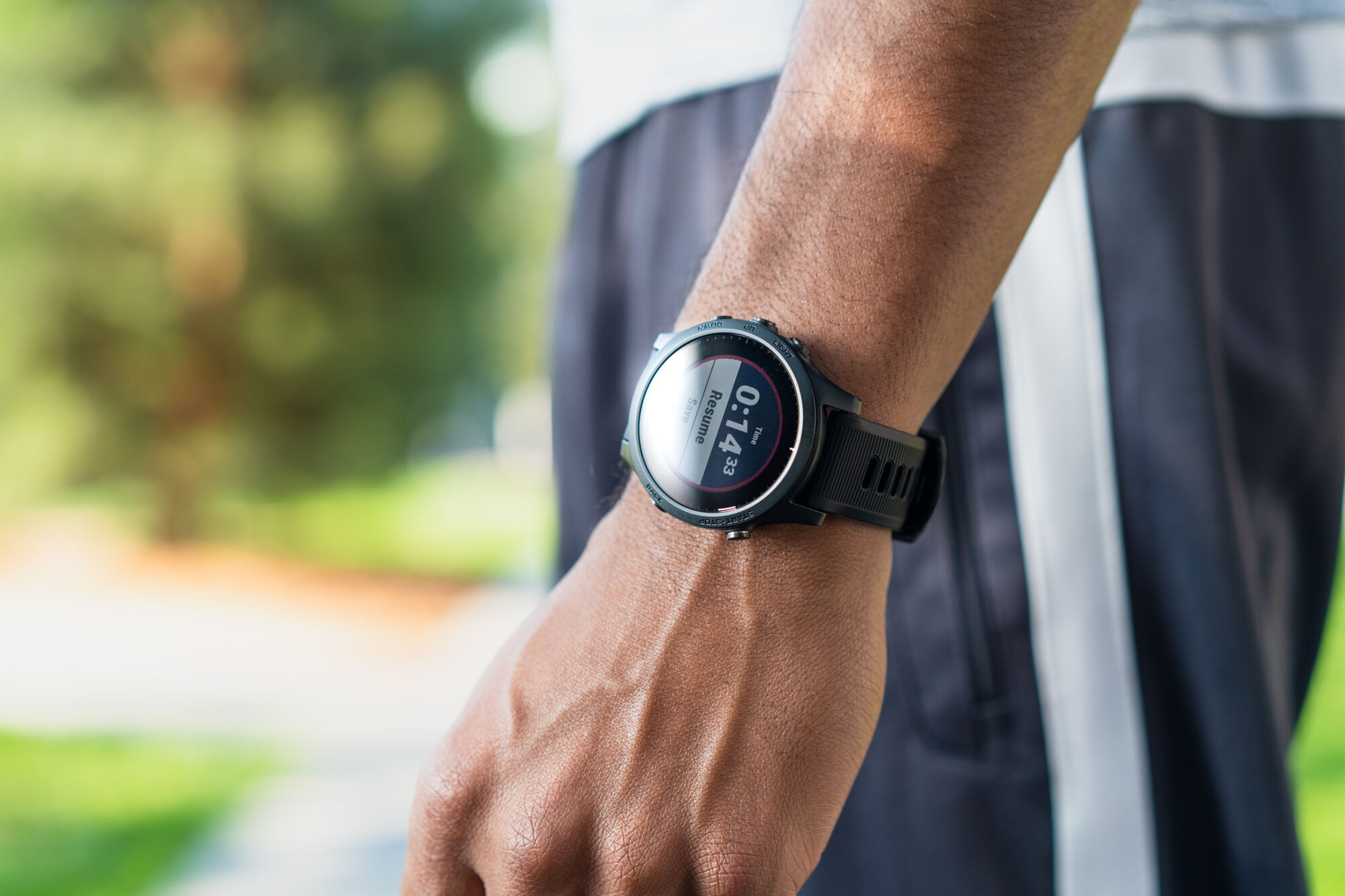
You’ll need a device with a large, clear display that you can check without breaking your stride. It needs well-sized buttons surrounding the dial that, again, you don’t need to think twice before pushing. And it’ll need a capacious battery, especially if you’re using GPS to track your runs for hours at a time.

The watch will also need to be tough, capable of withstanding the rough and tumble nature of outdoor exercise. We recommend a device with an IP rating of 68, which should promise reliability in the face of dirt, water and mud.

IP ratings, explained

Ingress Protection (IP) ratings are a guide to how much dirt and water your watch should withstand. The IP code is normally two digits, with the first telling you how much dust or any solid particle it can withstand. The second number represents how much liquid you can safely expose the watch to.

For a watch to be used in all conditions, you’ll need a device with a particle rating of 5 or 6, depending on budget. The former denotes a device that may allow dust to enter, but not in sufficient quantities to stop it from working. The latter, meanwhile, has been tested to resist a jet of dust in harsh testing conditions and should be vacuum-tight.

In this category, you’re going to need a watch that’s waterproof, rather than one that is merely water-resistant. The minimum rating you should look for is 7, which covers submersion in water as deep as one meter for up to 30 minutes. If you’re a casual pool swimmer or fancy runs in a light drizzle, this is likely to be sufficient.

Otherwise, go for a rating of 8, which covers submersion in water at depths greater than one meter for 30 minutes. That said, it’s worth noting that watches in this class are often even sturdier than companies feel comfortable claiming. You could expect a watch like this to survive pool diving at depths of up to 50 meters (5ATM), but beyond that, you’ll need a specialty device.

For a watch that does all of these things you will, of course, be paying a premium. And it may not be the device you wear throughout the day, either. Most options stand out in a formal environment, and the device may be too big to sit comfortably under a shirt sleeve, for what that’s worth.

Our pick is the Garmin Forerunner 945 ($602). It’s built for multi-sport athletes, with a triathlon mode that lets you effortlessly switch between swimming, biking and running modes. In addition, the watch has a dedicated mode for open-water swimming and has a Pulse Ox sensor to measure your blood oxygen levels — a key indicator of how healthy you are.

It also has a number of features that make it tempting to wear full time, including Garmin Pay. It works just like any other contactless payments provider, so you add your card to your watch and tap to pay for items. However, it has far less support among banks compared to Apple Pay and other big-name payment networks, so it’s worth checking if your provider supports it. Rounding out the list, you can download full-color maps to your wrist and pull up to 1,000 songs from your Spotify account to be stored locally.
Best fitness wearables

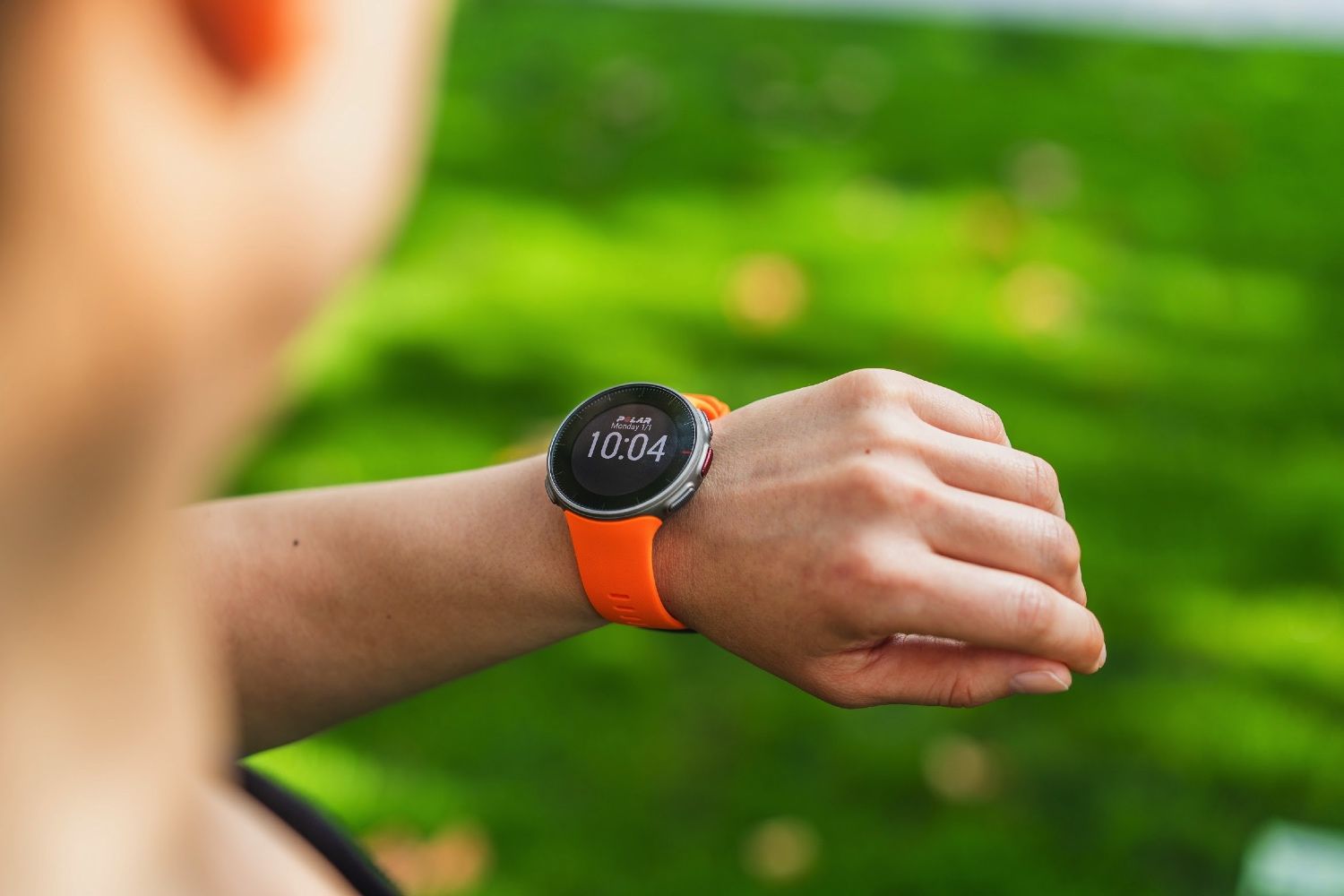
Polar’s Vantage V ($580) is a strong alternative. It’s a little cheaper but will also do the job for triathletes. It features an always-on, color touchscreen and five chunky pushers, with a promised battery life of 40 hours with GPS and wrist-worn heart rate tracking. Additionally, it’s waterproof up to 50 meters, and Polar says it meets the military’s 810G spec for durability.

An honorable mention goes to Garmin’s Forerunner 645 Music, a cheaper alternative to the class-leading 945. The cheaper device doesn’t have a dedicated triathlon mode, full-color mapping, body battery scores or the ability to read your body’s pulse oximetry. But if you’re looking for a cheaper option and won’t be toughing those mudders, this could fit the bill.

If you’re wellness-minded
Best Fitness Wearables

You care about staying healthy, but maybe you’re not at the gym every day and twice on weekends. You go for a run on the weekend, and take a class or two during the week, but it’s not something that defines your life. Perhaps you want reminders to stay hydrated or to stay mindful during stressful days. You want to feel good and be fitter, but that’s not going to stop you from eating something delicious (and unhealthy) at the end of a long day.

You want a watch that can be used as a daily driver and in the gym, but it can’t just look like your typical utilitarian running watch. Swappable bands and a clean, uncluttered design go a long way to making sure it’s fashionable, comfortable and versatile. Because you’re going to be doing a variety of activities, pre-programmed workouts specific to classes can be useful. That can be used both to track an activity, like yoga, or to offer on-screen coaching through a series of pre-prepared instructions. And, naturally, having a tally of your day’s activity is important to give you a good idea of how active you’ve been.

In terms of durability, an IP67-rated device that can be used in mild rain and the pool should offer plenty of protection. GPS is both costly and weighs heavy on your battery, so you can probably do without it on your watch. If you need to track a route, you can do so easily by taking your phone along for a run.

An optical heart rate sensor is useful to have, especially if you’re looking to improve your resting heart rate. They can alert you to cardiac incidents and even help you calm down with breathing exercises during periods of stress. Battery life of more than a day is a key factor, here, since you’ll want to use the device for sleep tracking, and having the watch wake you up with a silent alarm is handy. Another useful addition, at least for half the population, is menstrual cycle tracking.

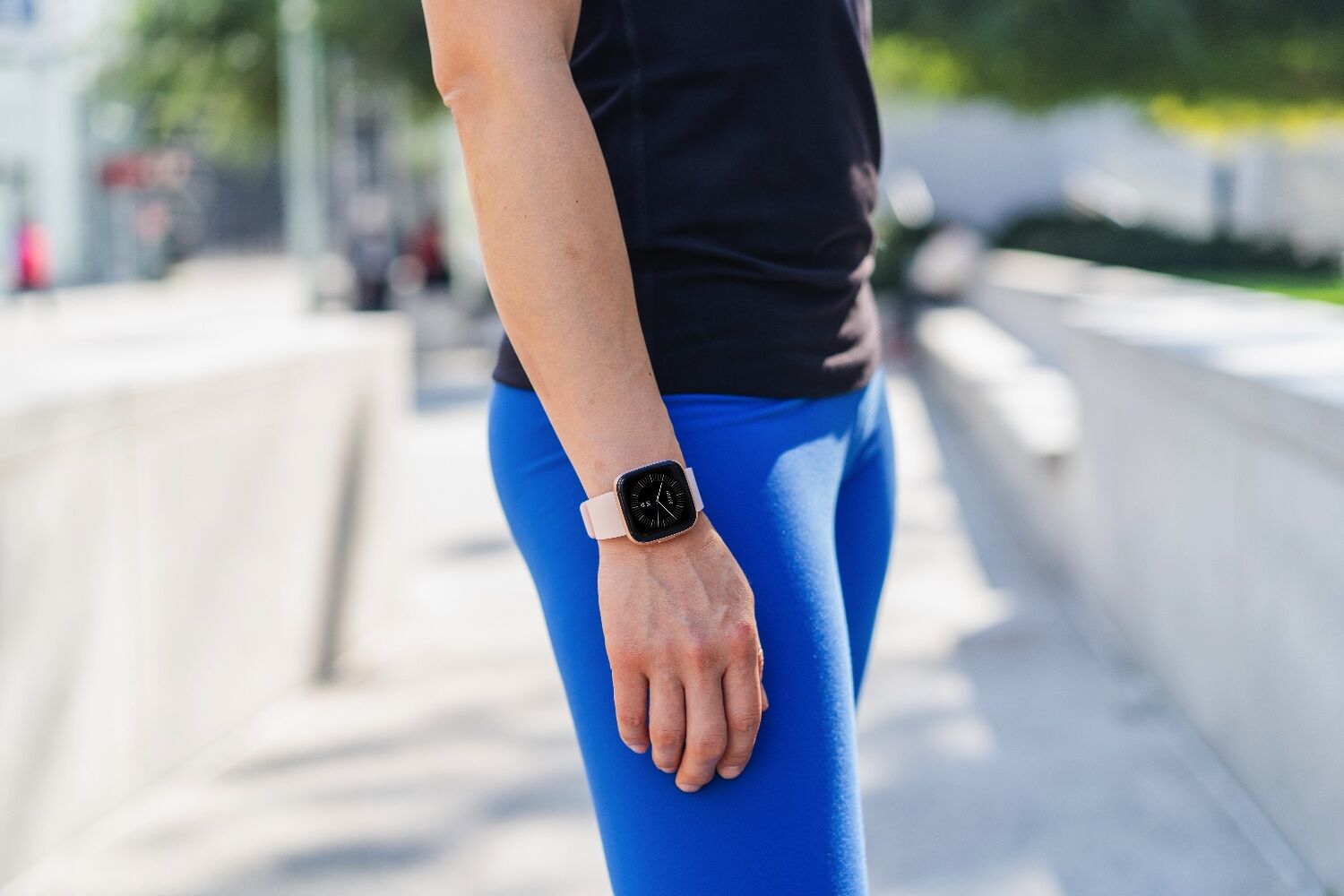
Our pick is the Fitbit Versa 2 ($200), which offers much of what you could ask for in a watch of this class. It ships with Amazon Alexa’s voice assistant, so you can use your voice to set alarms, find nearby locations and control your smart home. For that price you get a device that will track your activity, as well as store music locally for when you’re out and about.

Another plus point is Fitbit’s track record with long battery life, especially compared to, say, the Apple Watch. You can expect to get just under a week of use, so long as you don’t activate the always-on display. The watch also has stress tracking and breath coaching, as well as, in the words of one colleague, “surprisingly accurate” period tracking. Fitbit’s hardware is relatively easy to use, but be warned that its Bluetooth connection can be a little fussy.
Best fitness wearables

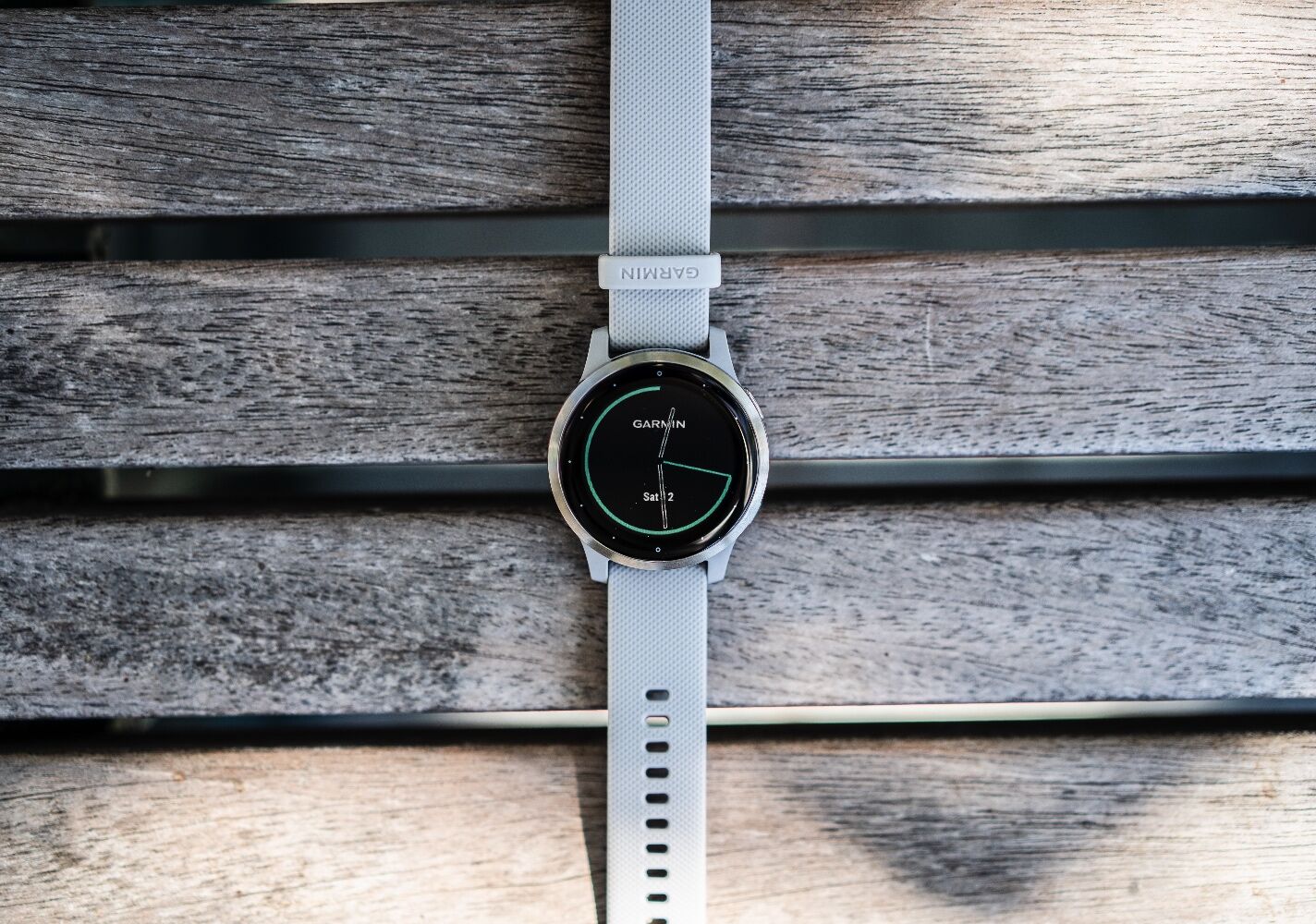
An alternative option is Garmin’s VivoActive 4s ($350). It’s a lot more expensive than the Versa 2, but has built-in GPS. It features a round rather than squared-off design, and splits the difference between a serious running watch and a fitness tracker. You’ll receive more performance-focused metrics, compared to the lifestyle-focused Fitbit, plus smarter running coaching. You’ll also get offline music, pre-loaded activity tracking, sleep tracking and the Garmin Pay, which is useful, though retail support is limited. Importantly, too, if you’re not using GPS, you’ll get up to a week of battery life.

If you’re mostly in the market for a smartwatch
Best fitness wearables

There are plenty of people who just want a do-everything, go-anywhere timepiece to pair with their phones. You don’t want to compromise on your technical credentials for the benefit of getting a purpose-built fitness wearable. And it’s likely that you’re heavily invested in a phone and app ecosystem that you already use to get everything else done.

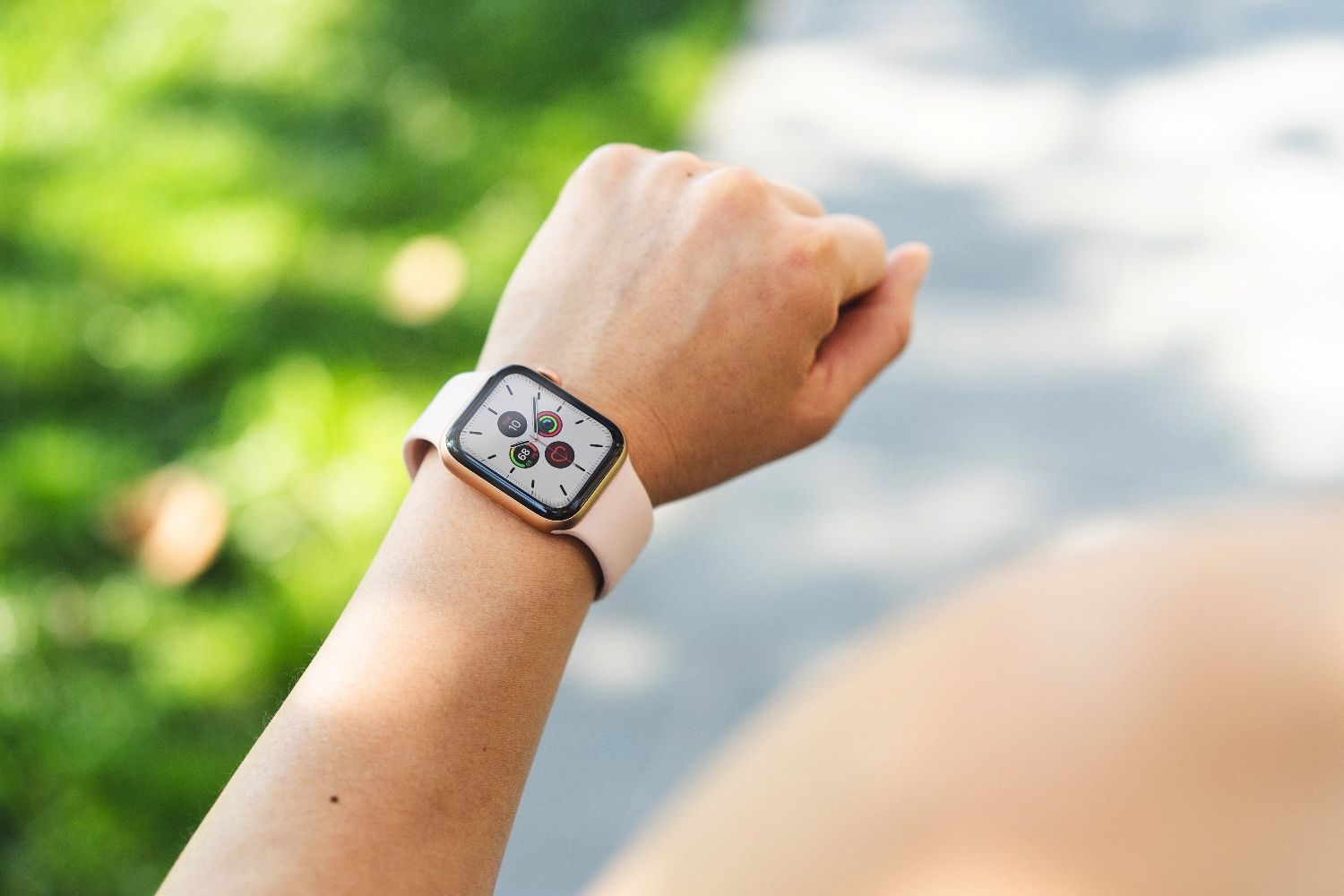
Our top choice is the Apple Watch Series 5 ($384), with its focus on being a “proactive health monitor” that observes your heart rate and breathing. Water-resistant to 5 ATM, the Watch 5 supports almost every sport you could possibly take up. And it has menstrual cycle tracking, stress coaching and an app to warn you if you’re being exposed to excessive ear-damaging noise. Naturally, too, it offers music playback, basic step and calorie tracking and even a built-in ECG test to catch possible cardiac arrhythmias.

The Apple Watch Series 3 ($189) offers some of the same features as the Series 5, but in a smaller, cheaper package. It, too, has optical heart-rate sensing and can automatically detect various kinds of workouts without your input. That includes everything from running to indoor rowing, all without you pushing a button. Sadly, all Apple Watches have two major flaws: no built-in sleep tracking and shorter battery life than the competition (roughly a day and a half).
Best fitness wearables

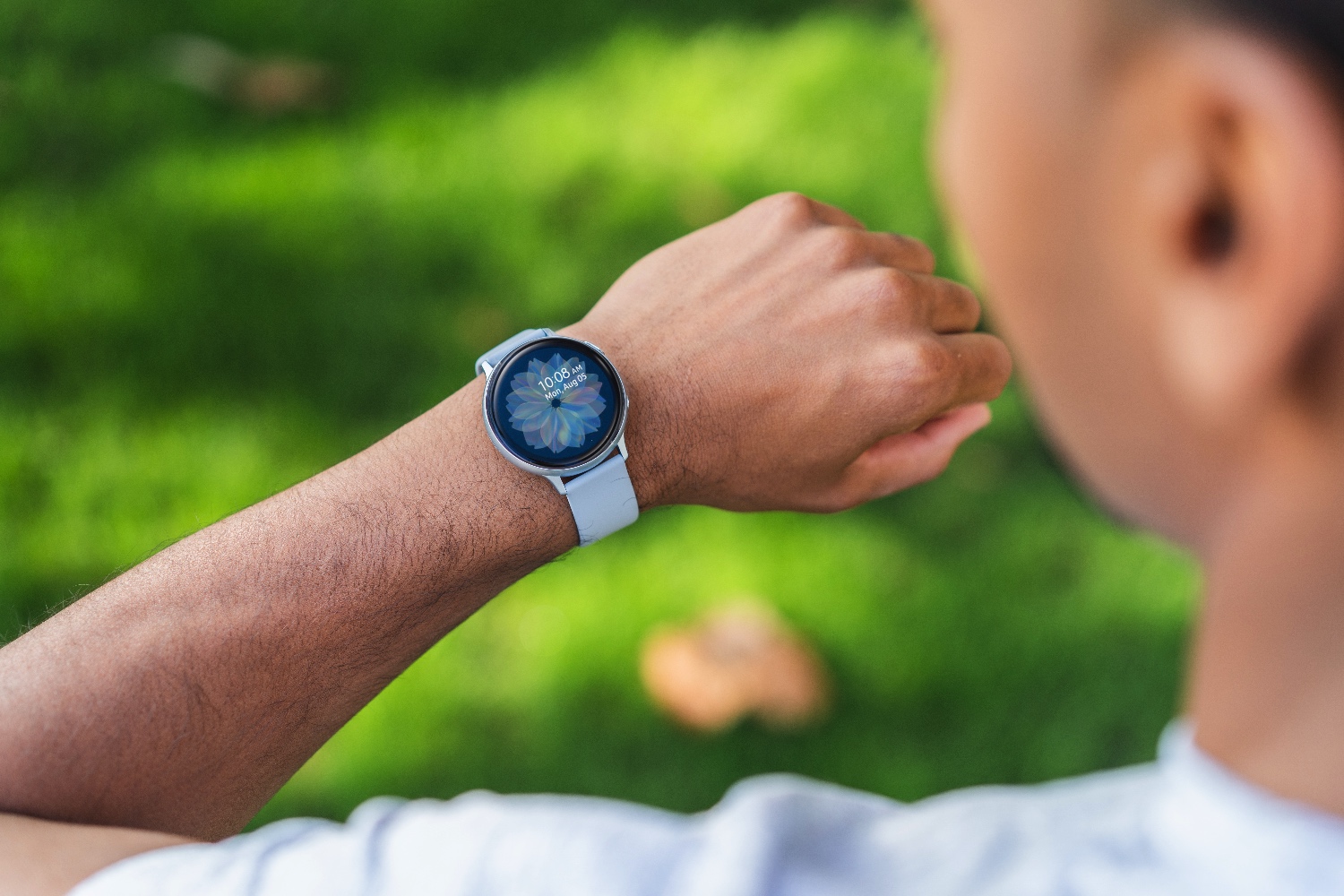
Then there’s Samsung’s Galaxy Watch Active 2 ($300), which also bridges the worlds of fitness wearables and smartwatches. It offers workout tracking for walking, running, cycling, swimming, indoor rowing ergometer and elliptical machines. It also has heart-rate tracking, stress and activity monitoring, and an IP68 durability rating for durability, designed with underwater use in mind.

The watch’s OS, Samsung’s proprietary Tizen software, feels light and snappy, and is full of smart little touches. The system offers stress detection, sleep tracking and calorie monitoring — common features for a fitness watch. But, because it’s a smartwatch, it can also control compatible smart home devices, hail you a ride and even control PowerPoint presentations without the need for a third-party app. Unfortunately, though, like the Apple Watch, you can’t expect it to last more than two days on a charge.

If you’re on a budget
Best Fitness Wearables

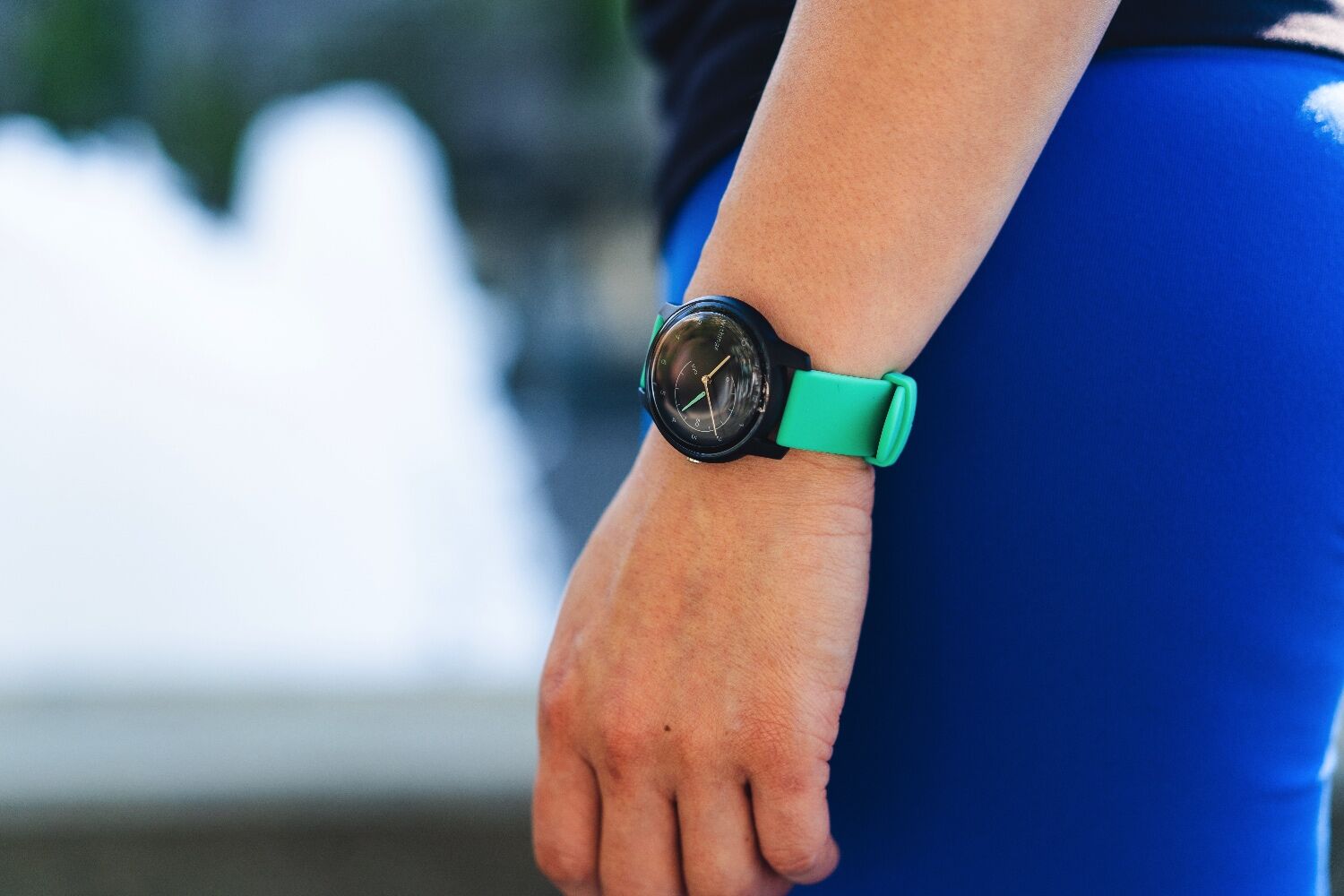
Most smart and fitness watches worth buying cost more than $150, and that’s not great if you’re on a budget. That said, you can still find a decent piece of kit for under $150. A standout choice is the Withings Move ($69+). It’s a hybrid watch with an analog face and a fitness tracker hidden under the hood. The only evidence that it’s a smarter watch is the subdial, which tells you how close to your activity goal you are each day. Pair it with Withings’ Health Mate app, and you’ll get plenty of insight into your daily steps and sleep.

For the price, you get a watch that can track more than 30 exercises, including running and swimming (it’s water-resistant to 5ATM), and you can pair it with your phone for aGPS while you’re out and about. There’s a vibrating alarm with smart wake technology, rousing you when you’re at the top of your sleep cycle.
Best fitness wearables

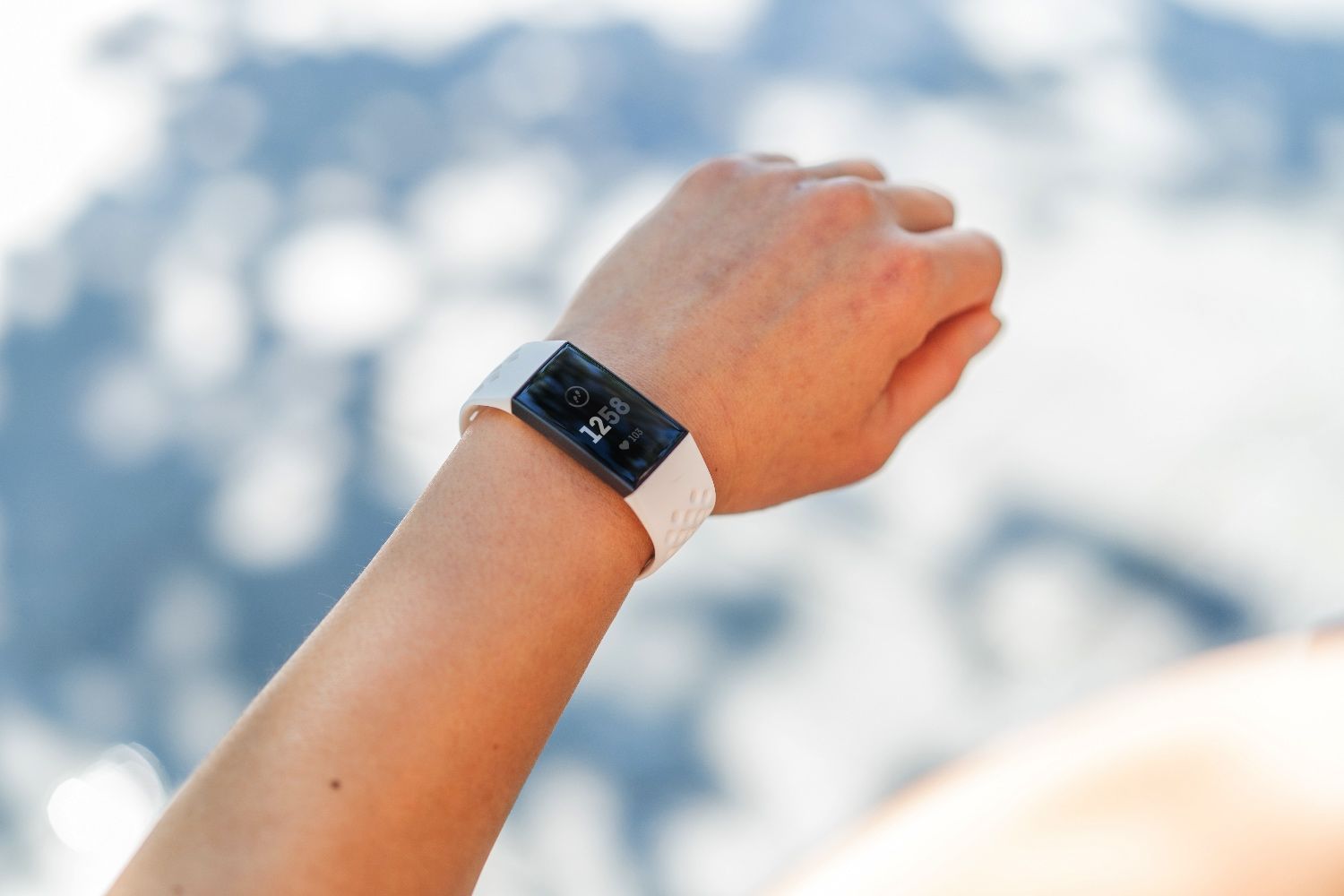
If you’re looking for something a little smarter, consider the Fitbit Charge 3 ($140). It’s an activity-tracking band with a touchscreen that displays the time as well as notifications from your phone. An optical heart rate sensor monitors your ticker in real-time, and it’s also “swimproof” to 5ATM. Like other watches we’ve mentioned so far, it automatically detects various exercises.

On top of that, you also get sleep and menstruation tracking, mobile payments and stress and breathing coaching. It’s a little more retro-styled than other devices; it looks a lot more like a tracker you would have worn half a decade ago. But if you’re not prepared to spend more, this is one of the most feature-packed fitness wearables in its class.

If you’re into swimming
Best fitness wearables

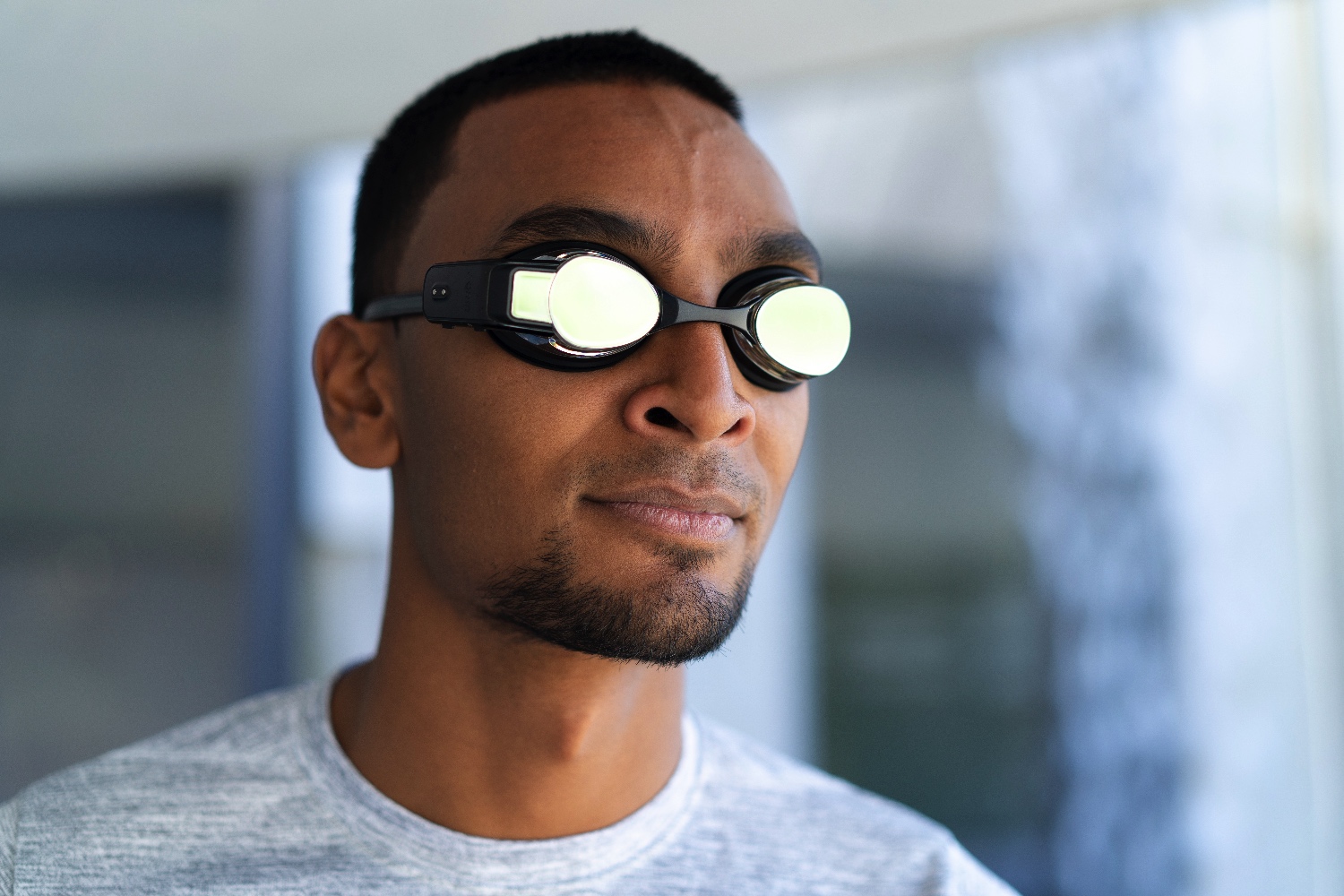
If all you do is swim, you may not want the burden of wearing a watch while you’re in the pool. After all, they may not be the most accurate, and some swimmers find watches to be a little distracting if they’re focusing on aerodynamics. Form’s eponymous goggles ($199) remove both gripes by putting the fitness tracker inside a pair of otherwise normal-looking goggles.

There’s a waveguide display inside one of the eyecups, too, which relays your split times when you’re swimming. All of that data goes to the app, which gives you detailed breakdowns of your laps, as well as letting you compete with your swimmer friends.

If you’re a soccer player

Best fitness wearables

It’s not just professionals who can wear those body-tracking vests you see used in training sessions at elite clubs. Catapult’s PlayerTek soccer wearable ($200) is a dinky GPS tracker that monitors your position, speed and movement during a game. The device itself sits in the vest and can be removed and recharged, and because soccer is an all-weather game, the device is sturdy.

When you’ve finished playing, you can download the data to your phone to see your heat map, statistics and how well you did. It’ll tell you where you’re falling short of your best and offer ways to improve as well. There’s even a global leaderboard, so you can fight for the right to be crowned PlayerTek’s team of the week. And no, your teammates don’t need to use them at the same time, although it might help them improve, too.

Images: Brett Putman for Engadget (except PlayerTek press images)

ENGADGET’S GUIDE TO FITNESS AND HEALTH

[ad_2]

Source link

Nokia-branded smart TVs are coming to India

[ad_1]

To be more precise, Indian retail giant Flipkart is planning on launching a range of smart TVs, with the Nokia name attached — a similar set up to HMD’s Nokia-branded smartphones. Details on the device itself are scarce at this early stage, but we do know it’ll come with Sound by JBL, which marks JBL’s first forays into the Indian market.

The announcement follows a similar initiative by OnePlus, which recently launched its own TV line in the country. It does make some sense for the Nokia brand — many people in India use their phones as their primary way of connecting to the internet, so they have an affinity with these companies and are perhaps more likely to have them in their homes, too. But it does also shine the spotlight on Nokia’s changing fortunes within the tech industry: what was once king of the mobile phone is gradually evolving into a brand name ripe for harvesting by companies looking for a foothold in the consumer market.

[ad_2]

Source link

AirPods Pro review: Apple’s latest earbuds can hang with the best

[ad_1]

The H1 chip also enables Hands-free Siri. I won’t dwell on this since it isn’t new, but the ability to summon the virtual assistant without reaching for your phone or tapping an earbud remains an underrated luxury. Especially when you have your hands full or are otherwise occupied. Other companies may beat Apple in terms of noise cancellation and overall sound quality, but always-on Siri it a key advantage for AirPods (and some Beats headphones).

Sound quality is noticeably better on the AirPods Pro than the previous models. Apple employs what it calls Adaptive EQ, which automatically tunes the low- and mid-range frequencies to each user’s ear. There’s also a built-in amplifier that Apple says enhances clarity while also optimizing battery life. It’s a lot of techspeak, but the end result is much better audio quality than even the most recent AirPods can muster.

There’s great clarity to the sound, with things like snare drums, synth riffs and snappy kick drums popping through the rest of the instruments. Often with earbuds, the sound can seem like compressed noise being blasted into your ears. The better true wireless models overcome this, and Apple does too. On Survive’s RR7400: LG041717, for example, the synths and drum machines created a layered soundscape with obvious depth. And on more bass-heavy tracks like Phantogram’s “Mister Impossible,” that low-end tone just purrs. There’s some pleasant thump, but it’s restrained so it never becomes overpowering.

AirPods Pro

During long listening sessions, the AirPods Pro remain comfortable. They feel like they go just far enough into my ear to get a good seal, but not quite as far as other true wireless earbuds. This makes them a lot more comfy. It also makes them feel like they could fall out at any moment, but somehow they never do. It’s just a different feel and fit than I’m used to, but it’s much more enjoyable. Even after nearly five straight hours trying to drain the battery, I didn’t feel like I was suffering to keep them in — and that’s rarely the case.

With noise cancellation and Transparency turned off, Apple says you can expect the same battery life as the previous AirPods: Five hours. Turn on ANC and you’ll get up to 4.5 hours of listening or 3.5 hours of talk time on a charge. I found those estimates to be pretty accurate, though I managed 4:45 with noise cancellation on during what I’d consider a “regular” work day and the volume at 75 percent or higher. When you add in the case, you’re looking at up to 24 hours of total listening time. Apple says with five mins of charging time in the case, you can expect about an hour of use. Like the previous model, the AirPods Pro come with a wireless charging case that will work with any Qi-certified mat. I haven’t yet committed to wireless charging at home, but it’s handy if you have the necessary gear.

AirPods Pro review

At $249, the AirPods Pro are squarely in premium true wireless territory, where most of the flagship models from other companies reside. They’re $19 more than Sony’s stellar WF-1000XM3 which offers better sound quality, more powerful ANC and lasts an hour and a half longer. However, the AirPods Pro has hands-free Siri and a more comfortable fit. So it comes down to your priorities, really.

Amazon’s $130 Echo Buds have hands-free access to Alexa, but the sound quality isn’t outstanding. And that set only has Active Noise Reduction, which doesn’t perform as well as true active noise cancellation. Still, Amazon’s take on true wireless earbuds are nearly $120 cheaper than the AirPods Pro. Even with the caveats, that will be enough to sway some — especially the Alexa die-hards. Apple also has the Powerbeats Pro in its arsenal. Despite an absurdly huge case, Beats’ true wireless earbuds sound great and offer hands-free Siri, but the over-ear hook design isn’t for everyone. But if you can go without ANC and wireless charging, they will save you $49.

The AirPods Pro are a definite upgrade over both AirPods models than came before it. ANC works well, and on the whole, the added features make these the best true wireless earbuds Apple has built thus far. The design still isn’t for everyone. But for early adopters who’s first-gen AirPods are likely approaching the end of their life, the AirPods Pro is worth the extra investment when it’s time to snag a new pair. If you’ve been considering AirPods, but haven’t yet committed, do yourself a favor and make the splurge. You’ll be happy you did, especially if you need Siri to always be listening.

[ad_2]

Source link